

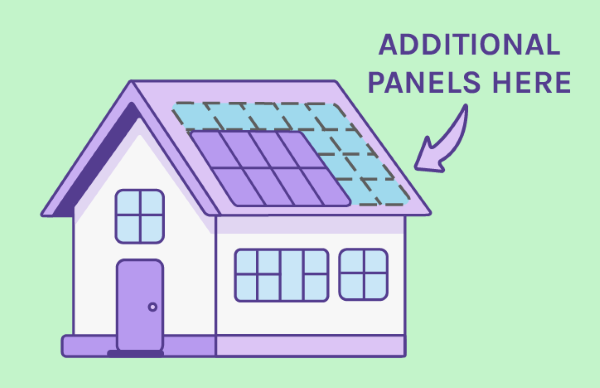
So, you’ve already got solar - great. And now you want to add more panels. But you’re not keen on going back to the original installer. Fair enough. Maybe the company shut down, maybe the experience wasn’t great, or maybe your sister dated the CEO and… yeah, no thanks.
The good news? You can add more panels with a different company.
The not-so-good news? You might find a few installers politely (or not-so-politely) turning you down. Not because they’re being difficult - but because add-ons come with risks they might not want to inherit.
Plenty of companies will help you expand your system. This article simply unpacks why some won’t, and what you should know before you start calling around.
Before you ask a different company to extend your system, here’s what you should know.
1. Installers Don’t Want to Inherit Someone Else’s Problems
Think of it like a builder being asked to renovate a house they didn’t build.
If something goes wrong later - a fault, a leak, a strange alarm - the new installer often gets blamed, even if the issue came from the original installation.
That risk alone makes many installers hesitate.
2. Warranties Can Get Messy
Solar gear often has long warranties, but they sometimes come with rules like:
- The original installer must handle any modifications.
- Changes to the system can void parts of the warranty.
- Manufacturers may say the issue was caused by “the other installer”.
3. Not All Solar Gear Plays Nicely Together
This can be a challenge, sometimes adding panels or a battery is straightforward - newer tech is more modular, so the odds are better than they used to be. But here’s my squeaky voice that goes “Ehh… your old system might not play nicely with new gear”.
And that’s the catch: your existing panels might be older, discontinued, or electrically different from what’s on the market now. Mix-and-match just isn’t always possible.
Potential conflicts include:
- Your inverter may not have enough capacity for extra panels.
- New panels may not match the voltage/current of your old ones.
Sometimes the only way to “add on” properly is to upgrade the inverter or create a separate system.
4. Compliance Rules Change Over Time
If your current system was installed years ago, it may not meet today’s regulations. When a new installer touches it, they may become responsible for making sure the entire system is up to current standards - not just the bit they’re adding.
If bringing the old system up to code is too complicated, installers may decline the job.
5. Liability Complications
If something goes wrong later - a roof leak, a fault, a fire - insurers and regulators need to know:
Who is responsible?
The new installer?
The old installer?
The manufacturer?
It’s a messy situation most companies try to avoid.
6. The Commercial Reality: Tiny Job, Big Risk
Add-ons take longer, involve more troubleshooting, and carry higher risk than a fresh installation - but they usually cost less. So from a business point of view, many installers would rather focus on full installations.
So… Can You Still Add More Panels?
Absolutely - you can. But the easiest path will almost always be going back to the installer who originally put your system in. They know the gear, the layout, the paperwork, and the quirks, so scaling up is usually more straightforward.
Getting a different company to do the add-on is possible, but as you’ve seen above, some installers will say no - and it’s not personal. They’re simply protecting themselves from the risks that come with touching someone else’s work, especially when issues like compliance, warranties, or safety (yes, even fire risk) could land back on them.
If you do find a company willing to help, great - just go in knowing why some others might decline.


Post your own comment